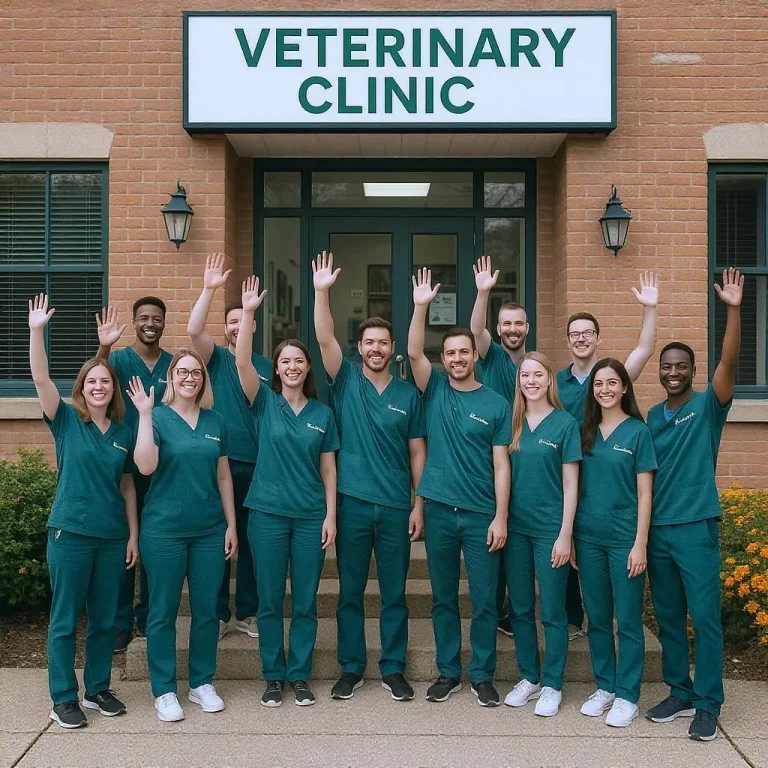
In the fast-paced world of veterinary medicine, it can be easy to overlook the importance of ongoing training and development. Many clinics find themselves stuck in a cycle of outdated practices, leading to frustration among team members and ultimately affecting the quality of care provided to animals. This situation is far too common and is often exacerbated by the pressures of managing a busy practice.
Veterinary professionals are passionate about their work, but without the right tools and training, that passion can quickly diminish. Are team members feeling overwhelmed or unrecognized for their contributions? Do they struggle to communicate effectively with one another or with pet owners? If so, your clinic might be in urgent need of a change.

The Ripple Effects of Stagnation
When veterinary teams lack proper training and support, several negative outcomes can occur:
- Inconsistent Care: Without updated knowledge and skills, veterinarians may inadvertently offer inconsistent care, leading to dissatisfied clients and pets.
- Team Burnout: Feeling undervalued or unskilled often leads to burnout. A stressed team is less likely to work collaboratively and effectively.
- Declining Morale: Low morale within the practice can create a heavy atmosphere that affects employee engagement and client interactions.
- Poor Client Communication: Ineffective communication can lead to misunderstandings, dissatisfaction, and decreased trust from pet owners.
These challenges not only hinder the professional growth of veterinary staff but also put the health and well-being of animals at risk. If your team is operating on autopilot, it’s time to address these issues head-on.
Why Communication and Leadership Training Matters
Training isn’t just a checkbox on the endless list of tasks in a veterinary practice. It’s an essential investment that can lead to transformative results. Here’s why investing in communication and leadership training should be a priority for your clinic:
Individual and Team Growth
With the right training, team members gain confidence in their skills and knowledge, which leads to:
- Improved Performance: Training provides up-to-date information, leading to more effective care and treatment options.
- Enhanced Communication: Clear communication boosts teamwork, leading to better collaboration and shared understanding of patient care goals.
- Professional Development: Team members appreciate opportunities for growth, which can lead to increased job satisfaction and reduced turnover.
A Cohesive Work Environment
Training strengthens relationships and builds a sense of community within the practice. When the environment is supportive and encouraging:
- Team members feel valued for their contributions, leading to higher engagement.
- Shared goals and values create a unified vision for the practice.
- Healthier workplace culture fosters resilience, innovation, and joy in the workplace.
Impact on Client Relationships
The quality of care and communication impacts client relations. A well-trained team can:
- Provide clearer information to pet owners, leading to higher satisfaction and trust.
- Manage difficult situations more effectively, reducing frustration and improving client experience.
- Encourage dental and preventive care, as clients feel more engaged and trusted.
Actionable Steps to Transform Your Practice
Making the decision to invest in training is just the first step. Here are some actionable steps to get you started:
1. Identify Training Needs
Take a moment to assess your current team dynamics and skills:
- Conduct Surveys/Interviews: Gather feedback from your team about the challenges they face. Send our Clinic Culture Compass Quiz to each of your team members to get anonymous feedback from your team feels about the clinic’s culture!
- Evaluate Performance Metrics: Identify areas where there’s a gap between expected and actual performance.
- Consider Client Feedback: What are the recurring themes in client surveys regarding care and communication?
2. Choose the Right Training Program
Not all training programs are created equal. Consider the following when selecting a program:
- Focus on Communication and Leadership: Ensure the program has modules specifically designed for these crucial skills, like our 7-Day Synergy Challenge for Veterinary Teams.
- Tailored Content: Look for training that can be customized to fit your specific team needs and practice type.
- Hands-on Learning: Choose a program that incorporates practical, real-world scenarios.
3. Foster a Supportive Environment
Training is an investment in your team’s future. Make sure to:
- Promote Open Communication: Encourage team members to share their thoughts and ideas on training.
- Celebrate Milestones: Acknowledge achievements to maintain motivation and enthusiasm.
- Create a Safe Space: Ensure team members feel comfortable expressing challenges without judgement.
4. Implement Continuous Training
One-off training is not enough. Develop a culture of learning by:
- Scheduling Regular Workshops: Ongoing training will keep skills sharp and knowledge current.
- Encouraging Peer Mentorship: Create opportunities for experienced staff to share their skills with others.
- Seeking Feedback: Regularly check in with your team about what parts of the training are useful and what could be improved.
5. Assess and Adjust
Finally, it’s important to review the impact of training on your clinic:
- Measure Performance Changes: Track improvement in client satisfaction and team performance metrics over time.
- Solicit Feedback on Training: Ask team members how the training has affected their work.
- Adjust as Necessary: Be prepared to iterate on training programs to keep them relevant and effective.
Embracing Change for a Brighter Future
Investing in communication and leadership training, like The 7-Day Synergy Challenge For Veterinary Teams, can genuinely transform your veterinary practice. It enhances not only the skills of your team but the relationships you build with your clients and the care you provide to their beloved pets.
As you move forward, remember that change is an ongoing journey. It requires commitment, open-mindedness, and compassion — ingredients that are already in abundance within your veterinary practice. By taking actionable steps today, you’ll pave the way for a brighter, healthier future for your team, your clients, and the animals under your care.
Embrace the possibilities that lie ahead with the right training, and watch your practice thrive!