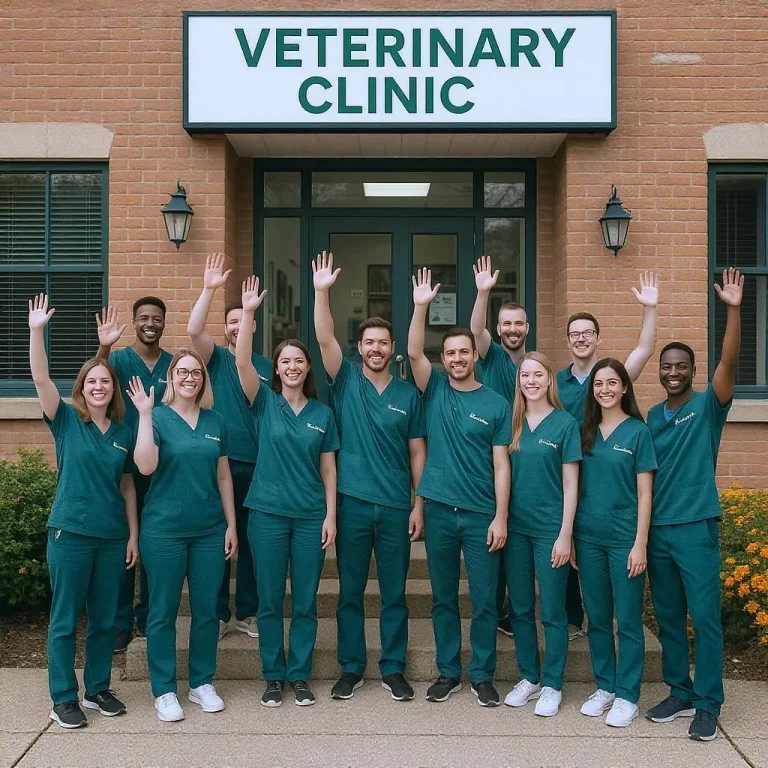

As a veterinary clinic owner or manager, you know that exceptional patient care starts with an exceptional team. But did you know that your leadership style directly impacts everything from staff retention to patient outcomes?
Research shows that engaged employees perform 20% better than their colleagues, and in veterinary medicine, this translates to better patient care, fewer medical errors, and higher client satisfaction.
Let’s explore five practical principles that can transform your leadership approach and create lasting positive change in your clinic.
Why Leadership Matters in Veterinary Medicine
The numbers speak for themselves: teams with greater cohesiveness are associated with better clinical outcomes and higher patient satisfaction. In healthcare settings, effective leadership has been shown to improve patient safety outcomes, reduce staff turnover, and increase overall job satisfaction. For veterinary clinics facing workforce challenges, strong leadership isn’t just helpful—it’s essential for survival and growth.
When your team feels supported and engaged, they provide better care to your patients and create more positive experiences for pet owners. This creates a virtuous cycle that benefits everyone: your staff, your patients, your clients, and your bottom line.
1. Lead by Your Example: Be the Leader Your Team Wants to Follow
Your team watches everything you do. How you handle a difficult client, respond to an emergency, or treat a colleague during a stressful day sets the tone for your entire clinic culture.
Why this matters: Your employees want to follow your actions, not just your words. When you demonstrate the compassion, professionalism, and dedication you expect from your team, they’re more likely to mirror these behaviors.
Practical tips to implement today:
- Model excellent client communication during your interactions. Your team will learn from watching how you explain procedures, address concerns, and show empathy to worried pet owners.

- Stay calm under pressure. During emergencies or challenging cases, your composure helps your team focus on providing the best possible care.
- Show genuine care for both patients and staff. Remember that good leaders model good behavior, and your employees are watching your every step to learn what’s expected.
Remember: You may not realize how closely your team observes your leadership during difficult times, but they’re watching your every step. Your actions during challenging moments affect them more deeply than you might think.
2. Create a Shared Vision: Unite Your Team Around Common Goals
Every successful veterinary practice needs a clear vision that motivates employees and inspires them to work positively toward common goals. This vision must be consistent and straightforward so that everyone can understand it, regardless of their position in your clinic.
Why this matters: A shared vision gives your team purpose beyond just completing daily tasks. It helps everyone understand how their role contributes to the bigger picture of providing exceptional veterinary care.
Practical strategies:
- Use inclusive language like “together” and “we” to encourage your employees to be involved in creating a shared vision. Ask for employee input and suggestions to create a baseline so that others within the clinic feel heard.
- Make your vision actionable. Instead of vague statements like “we provide excellent care,” be specific: “We ensure every pet owner leaves our clinic feeling heard, informed, and confident in their pet’s care plan.”
- Connect daily tasks to your bigger purpose. Help your team see how updating medical records, maintaining clean kennels, or greeting clients warmly all contribute to your clinic’s mission.

Pro tip: You can get everyone focused by using your vision as a way to unite them rather than divide them. When you know the direction you want your clinic to go, you can create shared goals that guide your employees’ actions and behaviors toward reaching that vision.
3. Surround Yourself with Strong Leaders: Build a Leadership Pipeline
Great leaders complement their leadership ability rather than competing with it. If you’re not a skilled negotiator, seek out others who excel at negotiation and team building. Look for team members who can be effective at big-picture thinking and detail-oriented tasks.
Why this matters: You can’t do everything yourself, and you shouldn’t try to. Building a strong leadership team allows you to focus on your strengths while ensuring all aspects of your clinic are well-managed.
How to identify and develop leaders:
- Look for natural mentors among your staff—those who newer employees naturally turn to for guidance.
- Provide leadership development opportunities such as management training, veterinary practice management courses, or leadership workshops.
- Delegate meaningful responsibilities to emerging leaders. Give them ownership of specific areas like staff training, client communication protocols, or inventory management.
- Consider networking opportunities like joining veterinary organizations, Rotary, or other professional groups where your team members can learn from other leaders and expand their skills.
Watch for these leadership qualities:
- Natural problem-solving abilities
- Strong communication skills with both colleagues and clients
- Ability to stay calm during emergencies
- Initiative in identifying and addressing clinic needs
- Positive attitude that influences others
4. Communicate with Purpose: Keep Your Team Informed and Engaged
Effective communication is the backbone of any successful veterinary practice. Your team needs to know what’s happening, why decisions are made, and how they can contribute to solutions.
Why this matters: Poor communication leads to confusion, mistakes, and frustration. Clear, consistent communication builds trust and ensures everyone is working toward the same goals.
Practical communication strategies:
- Hold regular team meetings to discuss cases, share updates, and address concerns. Make these interactive, not just one-way information dumps.
- Use multiple communication channels such as staff bulletin boards, group messaging apps, or brief daily huddles to keep everyone informed.
- Be transparent about challenges and changes. If you’re implementing new software or adjusting schedules, explain the reasoning behind these decisions.
- Create opportunities for feedback. Ask for input on procedures, policies, and clinic improvements. Your front-line staff often have the best insights into what’s working and what isn’t.
Example: Instead of simply announcing new inventory management procedures, explain how these changes will reduce waste, ensure medications are always available, and ultimately improve patient care.
5. Invest in Your Team’s Growth: Development Leads to Retention
Professional development isn’t just nice to have—it’s essential for keeping good people and providing excellent patient care. The veterinary field is constantly evolving, and your team needs opportunities to grow their skills and advance their careers.
The business case: Replacing a veterinary technician can cost 50-200% of their annual salary when you factor in recruitment, training, and lost productivity. Investing in your current team is much more cost-effective than constantly hiring new staff.
Development opportunities to consider:
- Continuing education such as conferences, webinars, and certification programs
- Cross-training to help staff develop new skills and provide coverage flexibility
- Mentorship programs pairing experienced staff with newer team members
- Leadership development for staff interested in management roles
- Specialization opportunities like fear-free certification, dental care training, or emergency medicine skills
Make it practical: Work with each team member to create individual development plans. Ask about their career goals and interests, then help them find relevant training opportunities.
The Bottom Line: Leadership Impact on Your Practice
The research is clear: effective leadership in healthcare settings leads to:
- Better patient outcomes through improved team cohesion and communication
- Higher employee satisfaction and reduced turnover
- Fewer medical errors due to better teamwork and clearer communication
- Increased client satisfaction as engaged employees provide better service
- Improved financial performance through increased efficiency and client retention
Getting Started: Your Action Plan
You don’t need to implement all these changes at once. Start with one or two areas where you see the biggest opportunity for improvement:
- Assess your current leadership style honestly. Ask trusted team members for feedback.
- Choose one principle to focus on first based on your clinic’s most pressing needs.
- Set measurable goals such as reducing staff turnover by 25% or improving client satisfaction scores.
- Track your progress through regular check-ins with your team and monitoring key metrics.
- Celebrate successes along the way to keep momentum building.
Remember, leadership is not about having a title—it’s about having a positive influence on your team and, ultimately, the pets and families you serve. Every interaction you have with your staff is an opportunity to lead with impact and create the kind of workplace where both people and pets thrive.
Your leadership journey starts with a single step. Which principle will you focus on first?
If you need help with training your leaders or with creating your clinic’s brand, feel free to contact us at connect@chatterpaws.ca. We’re happy to help!